📖 Introduction
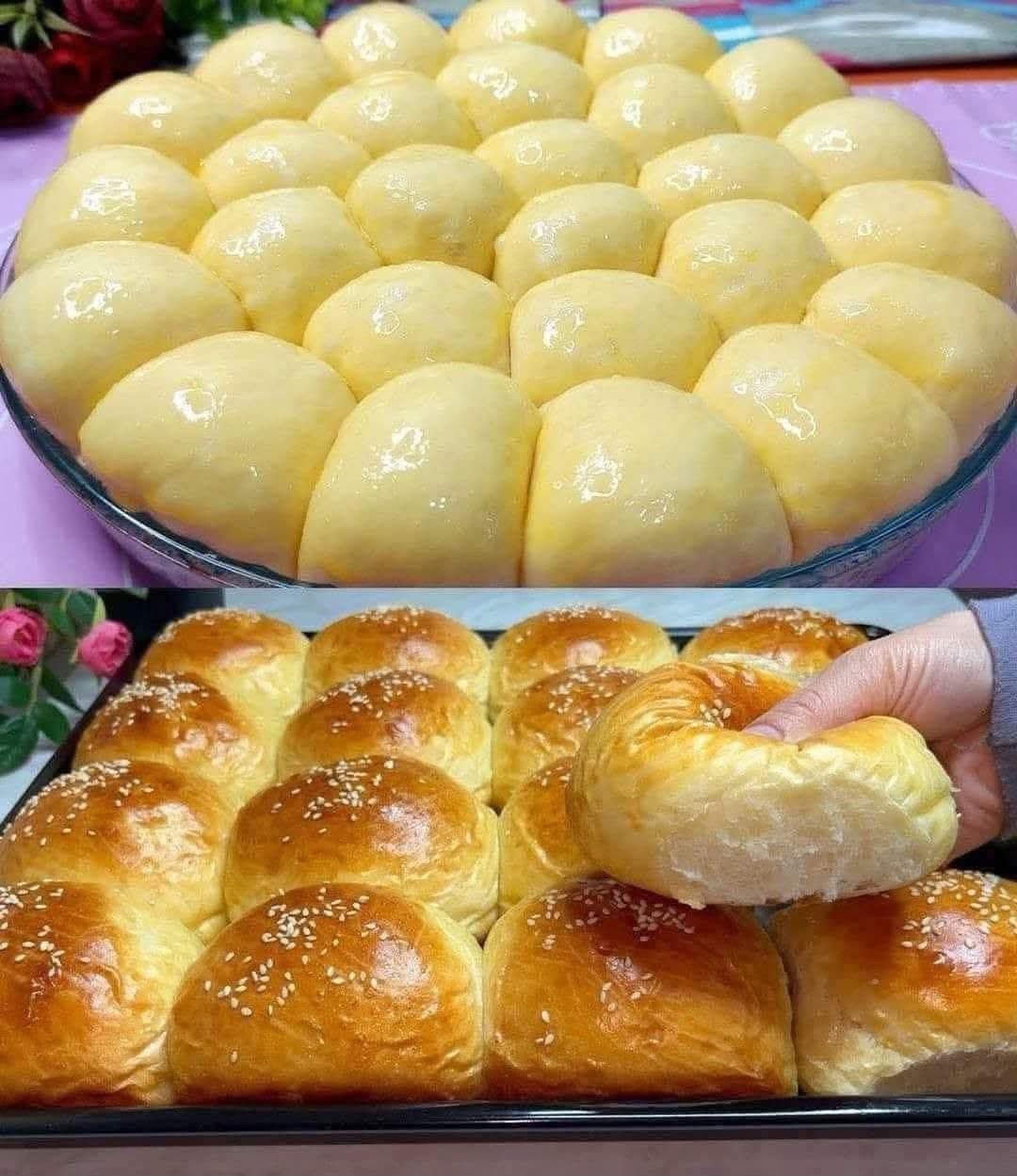
Brioche is the undisputed monarch of enriched breads. Golden on the outside, feather-light on the inside, and infused with butter and milk, these Milk Brioche Rolls strike a perfect balance between sweet and savory. Whether served warm with jam for breakfast or used as luxury dinner rolls, they melt in your mouth with every single bite.
📜 History & Origins
Brioche originated in Normandy, France, during the 16th century, a region famous for producing high-quality butter and dairy. Unlike standard bread, which relies only on flour, water, and yeast, traditional French brioche introduced eggs and rich butter to create an enriched dough (pâte levée). Over centuries, variations like milk brioche (brioche au lait) emerged to make a lighter, airier roll perfect for everyday baking.
🛒 Ingredients
For the Dough:
4 cups all-purpose flour (or bread flour for extra chew)
2 large eggs (room temperature)
1 cup whole milk (warmed to ~110°F / 43°C)
1 packet (2 ¼ tsp / 7g) active dry yeast (or instant yeast)
¼ cup granulated sugar
1 tsp salt
6 tbsp unsalted butter (softened to room temperature)
For the Glaze & Topping:
1 egg + 1 tbsp milk (whisked together for egg wash)
1–2 tbsp melted butter (for brushing post-bake)
1–2 tbsp white sesame seeds (optional garnish)
🔄 Dough Formation & Methods
The secret to brioche lies in how the gluten structure forms around rich fats:
1. Hydration & Yeast Activation: Warm milk and sugar wake up the yeast, forming carbon dioxide gas bubbles.
2. Gluten Development: Kneading flour and liquid forms a stretchable gluten network.
3. Fat Incorporation: Butter is added after the gluten network forms. The fat coats the gluten strands, keeping the finished bread tender, moist, and soft for days.
👩🍳 Step-by-Step Instructions
Step 1: Activate the Yeast
In a bowl, combine the warm milk (110°F), granulated sugar, and yeast. Let sit for 5–10 minutes until it becomes frothy and bubbly.
Step 2: Mix the Dough
In a large bowl (or stand mixer), combine the flour and salt. Pour in the yeast-milk mixture and 2 eggs. Mix until a shaggy dough comes together.
Step 3: Add Butter & Knead
Gradually add the room-temperature butter, one tablespoon at a time, kneading continuously.
By hand: Knead vigorously on a lightly floured surface for 12–15 minutes.
By mixer: Knead on medium speed using a dough hook for 8–10 minutes until smooth, elastic, and slightly tacky.
Step 4: First Rise (Proofing)
Shape the dough into a ball, place it in a lightly greased bowl, cover with a damp cloth or plastic wrap, and let it rise in a warm spot for 1.5 to 2 hours (until doubled in size).
Step 5: Shaping the Rolls
Punch down the dough to release excess gas. Divide into 12 to 16 equal pieces. Roll each piece into a smooth ball by gently cupping your hand over the dough against the counter in a circular motion.
Arrange the balls side-by-side in a greased baking pan or round dish so they are lightly touching.
Step 6: Second Rise
Cover the pan loosely with a towel and let rise for 30–45 minutes until doubled and puffy (as seen in the top photo).
Step 7: Bake
Preheat your oven to 350°F (175°C).
Brush the puffy rolls with the egg wash and sprinkle with sesame seeds if desired.
Bake for 20–25 minutes until deep golden brown on top.
Step 8: Finish
Brush immediately with melted butter as soon as they come out of the oven for a brilliant shine and soft crust!